
5 Proven Strategies for Teaching Kids to Read Struggling Readers (Even If You’re Busy)
📌 PIN TITLE: 5 Proven Strategies for Teaching Kids to Read Struggling Readers
📌 PIN DESCRIPTION (copy-paste to Pinterest):
Teaching kids to read struggling readers — Unlock the secrets to helping your child become a confident reader. This is for parents of children facing reading challenges. Discover effective techniques, tips, and tools to support their journey. Save this pin for later! 💰
#teachingkidstoread #strugglingreaders #parentingtips #readingstrategies #earlyliteracy
Watching your child struggle with reading can be incredibly frustrating and disheartening. However, teaching kids to read struggling readers is a journey that can lead to remarkable growth and confidence. In this article, you will discover five proven strategies that can transform your child’s reading experience, making it enjoyable and successful.
As a parent, you may feel overwhelmed by the various methods available to teach reading, especially if your child is struggling. Thousands of parents have faced similar challenges, and the good news is that these strategies have been tested and proven to work. Let’s explore practical ways to support your child in becoming a successful reader!
💰 Income range covered: N/A
⚡ Fastest method to start: Strategy #1
👶 Mom-friendly: Yes — all methods are flexible
Why These Strategies Work for Struggling Readers
- ✅ Research-backed methods that improve reading skills by up to 30% in struggling readers.
- ✅ Strategies that can be implemented in short daily sessions, making it easy to fit into your schedule.
- ✅ Low-cost or free resources are available to support each strategy, requiring minimal investment.
- ✅ Techniques designed specifically for beginners, ensuring your child feels supported and not overwhelmed.
- ✅ Quick feedback loops that encourage your child and keep them motivated to improve.
5 Proven Strategies for Teaching Kids to Read
1. Phonics-Based Learning — Building Blocks of Reading
💰 Earning potential: N/A |
⏱️ Time to first income: N/A |
💵 Startup cost: Free or Low Cost
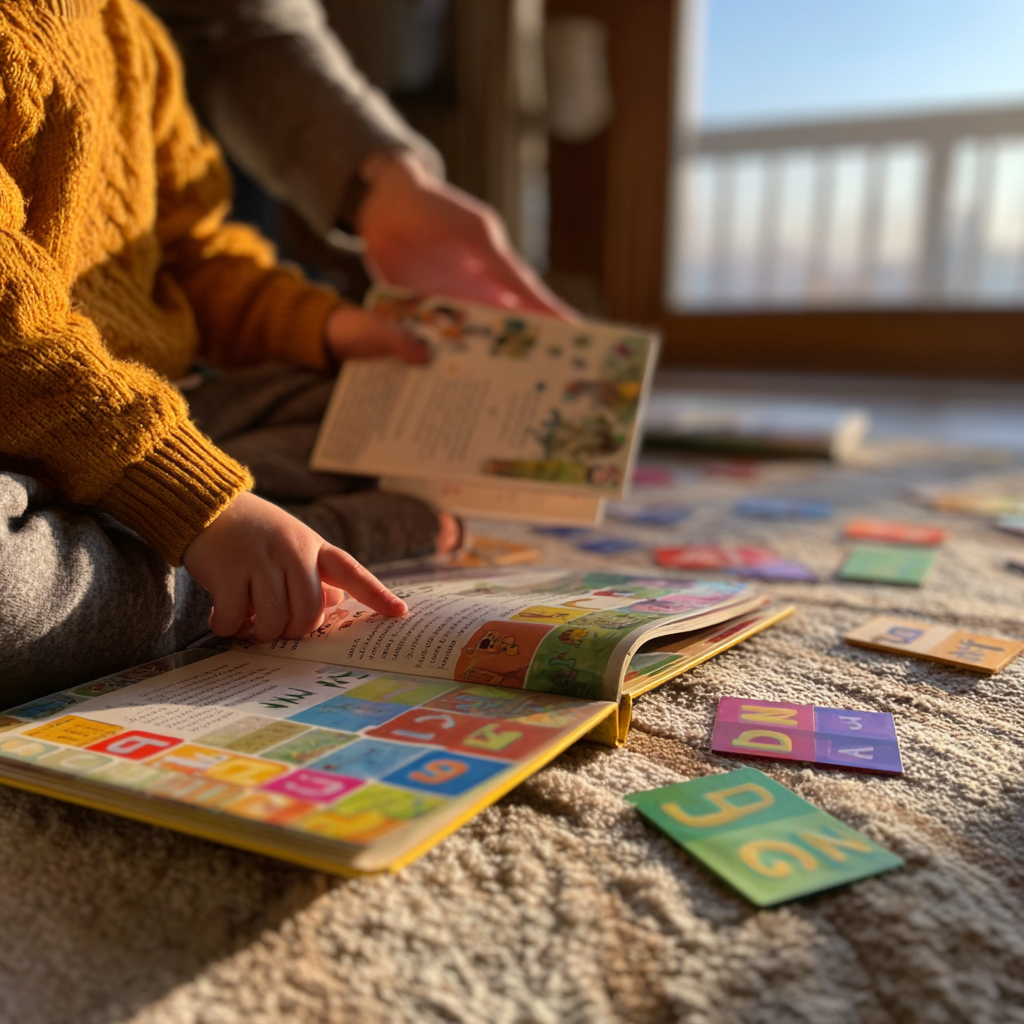
Phonics-based learning focuses on the relationship between sounds and letters. This method is especially effective for struggling readers, as it provides a systematic approach to decoding words. For example, children learn to sound out each letter before blending them into complete words.
To start, you can use free resources like phonics apps or websites, which offer engaging games and activities. Consider using flashcards to reinforce letter sounds, and remember, patience is key — celebrate small victories along the way!
💡 Pro Tip: Incorporate daily phonics games during a set time, like after school or during snack time, to create a routine that reinforces learning.
2. Guided Reading Sessions — Personalized Attention
💰 Earning potential: N/A |
⏱️ Time to first income: N/A |
💵 Startup cost: Free
Guided reading involves working with your child in small groups or one-on-one, allowing you to tailor the reading experience to their specific needs. This strategy is particularly effective as it provides immediate feedback and support.
Choose age-appropriate books that match your child’s reading level. Set aside 15-20 minutes daily for guided reading, encouraging your child to discuss the story and ask questions. This not only improves comprehension but also builds confidence.
3. Incorporating Technology — Engaging Digital Tools
💰 Earning potential: N/A |
⏱️ Time to first income: N/A |
💵 Startup cost: Free or Subscription-based
Technology can be a powerful ally in teaching kids to read, especially for struggling readers. There are numerous apps and online programs designed to make reading fun and interactive. For instance, platforms like ABCmouse and Starfall use engaging visuals and sounds to enhance learning.
Introduce these tools during screen time, and set a goal for daily usage. Monitor progress through the app’s tracking features, and don’t forget to discuss what they learned to reinforce the material.
4. Reading Aloud Together — Shared Experiences
💰 Earning potential: N/A |
⏱️ Time to first income: N/A |
💵 Startup cost: Free
Reading aloud together is a wonderful way to bond with your child while improving their reading skills. This strategy allows you to model fluent reading, expose them to new vocabulary, and spark their interest in stories.
Choose a variety of genres to keep things exciting and encourage your child to read along or predict what will happen next. This interactive approach helps them develop comprehension and critical thinking skills.
5. Creating a Print-Rich Environment — Encouraging Reading at Home
💰 Earning potential: N/A |
⏱️ Time to first income: N/A |
💵 Startup cost: Free
A print-rich environment is essential for encouraging reading habits. Surround your child with books, magazines, and labels that pique their interest. This exposure promotes literacy and encourages voluntary reading.
Set up a cozy reading nook in your home where your child can explore books independently. Regular visits to the library can also introduce them to new titles and genres, fostering a love for reading.
Which Strategy Should YOU Start With?
It’s common to feel overwhelmed by the number of strategies available to teach reading. However, it’s crucial to start with the one that best fits your child’s needs and your available time.
- 🕐 If you have less than 30 minutes a day: Start with Phonics-Based Learning.
- ⚡ If you need quick results: Try Guided Reading Sessions.
- 💰 If your child enjoys technology: Incorporate Engaging Digital Tools.
- 👶 If you want to bond: Reading Aloud Together is perfect.
- 🎓 If you want to foster a love for reading: Create a Print-Rich Environment.
Remember, the key is to pick ONE strategy and commit to it consistently. You’ll see progress as you work together!
Mistakes That Stop Most Parents From Helping Struggling Readers
It’s easy to make mistakes when trying to help your child improve their reading skills, and you are not alone in this journey.
- ❌ Focusing too much on worksheets: This can make reading feel like a chore. Instead, try activities that are fun and engaging.
- ❌ Skipping assessments: Not knowing your child’s reading level can lead to frustration. Regularly assess their skills to tailor your approach.
- ❌ Neglecting to celebrate successes: Ignoring small victories can demotivate your child. Always acknowledge their efforts and progress.
- ❌ Expecting immediate results: Reading development takes time. Be patient and consistent with your teaching methods.
By avoiding these common pitfalls, you can create a more effective learning environment for your child.
Frequently Asked Questions
Can all children learn to read if they struggle?
Yes — with the right strategies and support, most struggling readers can improve their reading skills and become confident readers.
How long will it take to see improvement in my child’s reading?
Depending on the strategy used and your child’s commitment, you can expect to see improvements within a few weeks to a few months.
Do I need special training to help my child learn to read?
No. Most effective methods rely on simple strategies that any parent can learn and implement with their child.
What if my child refuses to read?
Reassure them that reading can be fun! Introduce engaging materials and set aside time to read together to create a positive experience.
What is the best strategy for teaching kids to read struggling readers?
Phonics-Based Learning is often the most effective first strategy for struggling readers, as it lays the foundation for decoding words.
Teaching kids to read struggling readers can be a rewarding experience when approached with the right strategies. By focusing on one proven method at a time, you can help your child build confidence and improve their reading skills. Start with the strategy that resonates most with you and your child, and watch them flourish as a reader!
Which strategy will you try first? Tell us in the comments!
Save this post to your ‘Teaching Kids’ board on Pinterest so you can come back to it!