
12 Engaging Ways to Use 2 Year Kids Learning Activities (Even If You’re Busy)
👶 Kid-friendly: Yes — all activities are fun and easy to implement
Why These Activities Work for Busy Parents
- ✅ Engaging activities foster creativity and critical thinking.
- ✅ Activities can be done in short bursts, fitting into busy schedules.
- ✅ Most activities require minimal or no materials, keeping costs low.
- ✅ Simple instructions make it easy for parents to facilitate learning.
- ✅ These activities promote motor skills and social interaction with peers.
12 Ways to Use 2 Year Kids Learning Activities
1. Sensory Bins — Explore Textures and Shapes
💰 Earning potential: N/A |
⏱️ Time to first income: N/A |
💵 Startup cost: Free or low-cost
Sensory bins allow children to explore different textures and shapes using items like rice, beans, or sand. This method works wonders for developing fine motor skills and encouraging imaginative play. For example, using a bin filled with dried pasta can stimulate sensory exploration and creativity.
To create a sensory bin, gather materials such as a storage bin, rice, and small toys. Fill the bin with rice and hide small toys for your child to find. Always supervise to ensure safety and prevent choking hazards.
💡 Pro Tip: Add measuring cups or spoons to your sensory bin to encourage counting and pouring activities.
2. Story Time — Boost Vocabulary and Imagination
💰 Earning potential: N/A |
⏱️ Time to first income: N/A |
💵 Startup cost: Free with library books
Reading books together enhances vocabulary and language skills while sparking creativity. Choose bright, colorful books with engaging illustrations that hold your child’s attention. For instance, interactive books with flaps can make storytime more fun and engaging.
Set aside a few minutes each day to read with your child. Encourage them to point at pictures and imitate animal sounds to make the experience interactive. Don’t forget to ask questions about the story to foster comprehension.
3. Art Projects — Encourage Creativity and Expression
💰 Earning potential: N/A |
⏱️ Time to first income: N/A |
💵 Startup cost: Minimal supplies
Simple art projects like finger painting or crayon drawing can boost fine motor skills and allow for self-expression. This method is perfect for encouraging creativity and letting kids express their emotions. For example, finger painting with non-toxic paint can be a delightful mess!
Provide an array of materials like paper, crayons, and washable paints. Set up a designated art space where your child can freely explore without worry. Remember, it’s about the process, not the outcome!
4. Nature Walks — Learn About the Environment
💰 Earning potential: N/A |
⏱️ Time to first income: N/A |
💵 Startup cost: Free
Nature walks offer opportunities for children to learn about the environment and develop observational skills. This activity is perfect for teaching about colors, shapes, and different species. For instance, collecting leaves can help them learn to identify various trees.
Take your child on a walk in the park or your neighborhood. Bring a small bag for collecting interesting items like leaves or rocks. Discuss what you see along the way to engage their curiosity and vocabulary.
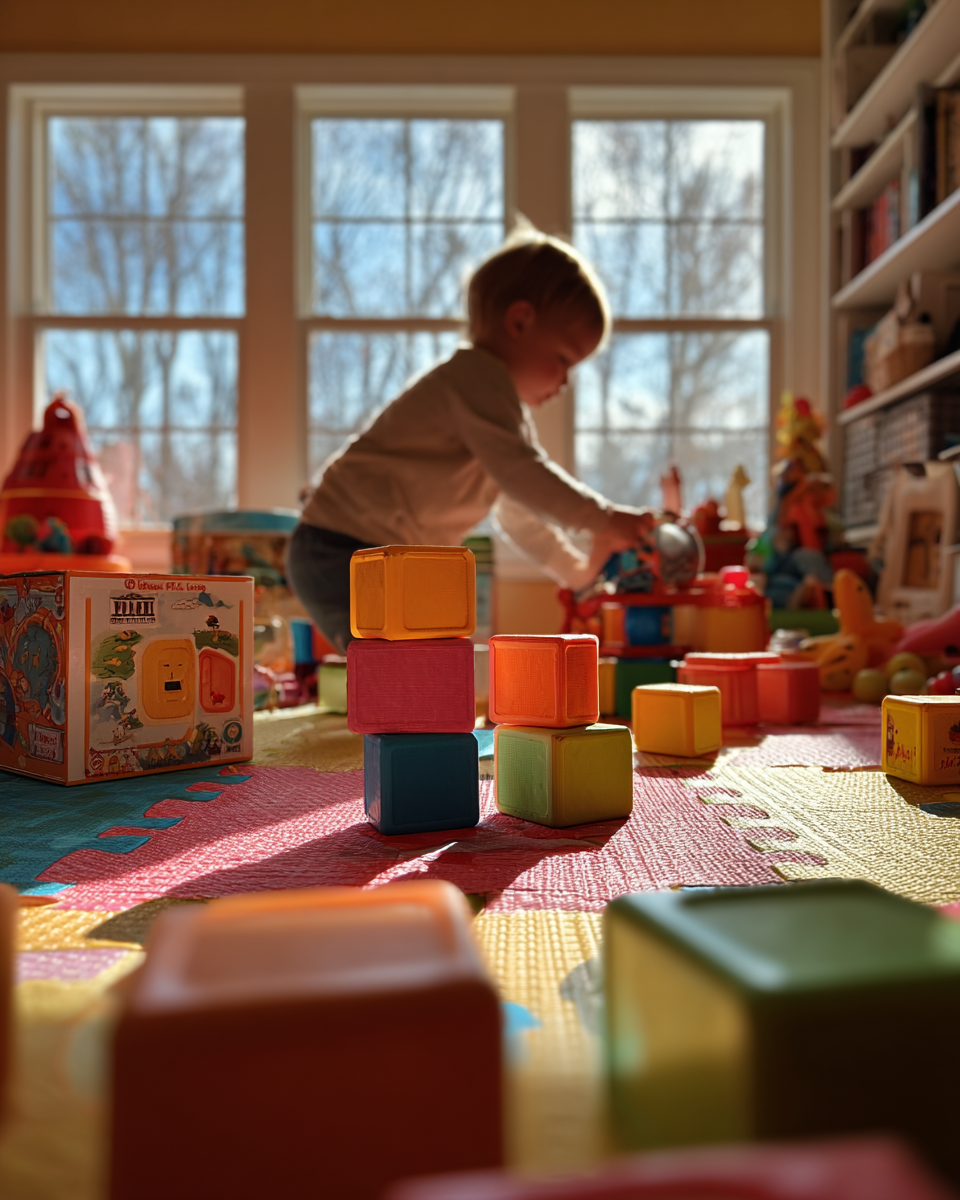
5. Building Blocks — Develop Problem-Solving Skills
💰 Earning potential: N/A |
⏱️ Time to first income: N/A |
💵 Startup cost: Low
Playing with building blocks enhances cognitive skills and encourages creativity. This method allows children to experiment with balance and design. For example, building a tower helps them understand cause and effect as they see what happens when it falls.
Provide a variety of building materials like wooden blocks or LEGO Duplo sets. Encourage your child to build their own structures or follow your lead to create something together. Make it a fun challenge to see who can build the tallest tower!
6. Musical Activities — Enhance Listening Skills
💰 Earning potential: N/A |
⏱️ Time to first income: N/A |
💵 Startup cost: Free or low-cost
Engaging in musical activities can improve listening skills and rhythm. Singing songs or playing simple instruments helps with memory and language development. For example, using homemade shakers can be a fun way to explore sound.
Use household items like pots and wooden spoons to create music together. Sing familiar songs and encourage your child to join in. You can also explore simple dances to make it a full-body experience.
7. Shape Sorting — Recognize Patterns and Shapes
💰 Earning potential: N/A |
⏱️ Time to first income: N/A |
💵 Startup cost: Free or low-cost
Shape sorting toys help children recognize shapes and improve problem-solving skills. This activity is great for teaching spatial awareness and hand-eye coordination. For instance, using a shape sorter can be a hands-on way to learn about geometry.
Provide various shape sorting toys or create your own using cardboard cutouts. Encourage your child to sort items by shape or color, making it a fun challenge. Celebrate their success to boost confidence!
8. Cooking Together — Learn Measurements and Following Directions
💰 Earning potential: N/A |
⏱️ Time to first income: N/A |
💵 Startup cost: Low
Cooking together is a fun way to teach children about measurements, following directions, and nutrition. This activity fosters motor skills as they help with pouring and mixing. For example, baking cookies allows them to experience different textures and smells.
Choose simple recipes that require minimal steps. Involve your child in tasks like measuring ingredients or stirring. Discuss the importance of healthy eating to make it educational as well!
9. Outdoor Games — Promote Physical Activity
💰 Earning potential: N/A |
⏱️ Time to first income: N/A |
💵 Startup cost: Free
Outdoor games promote physical activity while developing gross motor skills. Activities like tag or simple ball games are great for burning energy and improving coordination. For instance, playing catch can enhance hand-eye coordination.
Set aside time each day to play outside. Encourage various games that involve running, jumping, and throwing. It’s a great way to bond while keeping active!
10. Puppet Shows — Foster Imagination and Language Skills
💰 Earning potential: N/A |
⏱️ Time to first income: N/A |
💵 Startup cost: Free with household items
Creating puppet shows allows children to express their creativity while improving their language skills. This activity encourages storytelling and role-playing. For example, using socks to make puppets can lead to imaginative play.
Gather old socks or paper bags to create puppets together. Encourage your child to come up with a story and perform it for family members. It’s a fun way to build confidence and communication skills!
11. Matching Games — Improve Memory and Cognitive Skills
💰 Earning potential: N/A |
⏱️ Time to first income: N/A |
💵 Startup cost: Free with cards or DIY
Playing matching games enhances memory and cognitive skills. This activity can be tailored to various themes, such as animals or colors. For instance, using flashcards helps with recognition and recall.
Create your own matching cards using pictures or objects. Play together to see who can find the most pairs. This can be a fun, competitive way to improve memory!
12. Simple Science Experiments — Ignite Curiosity
💰 Earning potential: N/A |
⏱️ Time to first income: N/A |
💵 Startup cost: Free or low-cost
Simple science experiments spark curiosity and encourage critical thinking. Activities like mixing baking soda and vinegar to create a volcano can be thrilling for kids. This method fosters a love for learning through hands-on experiences.
Use household items for your experiments, and explain the science behind what they are doing. Encourage questions to make it interactive. Celebrate their discoveries to cultivate a sense of wonder!
Which Activity Should YOU Start With?
With so many options, choosing the right activity can feel overwhelming.
- 🕐 If you have less than 30 minutes: Start with Sensory Bins.
- ⚡ If you need quick engagement: Try Story Time.
- 💰 If you want long-term benefits: Go with Art Projects.
- 👶 If you have a toddler at home: Nature Walks are best.
- 🎓 If you have zero experience: Begin with Building Blocks.
Remember, the key is to pick one activity and start engaging with your child today!
Mistakes That Stop Most Parents From Engaging with Learning Activities
These mistakes are common and not your fault, but they can hinder your child’s growth.
- ❌ Overcomplicating activities: Simple is better; focus on fun, not perfection.
- ❌ Skipping the preparation phase: Always gather materials beforehand for smooth execution.
- ❌ Not following their lead: Let your child guide the play to keep them engaged.
- ❌ Expecting immediate results: Learning takes time; celebrate small victories.
Being mindful of these mistakes can help you create a supportive learning environment for your child.
Frequently Asked Questions
Can I really boost my child’s development with simple activities?
Yes, engaging in 2 year kids learning activities can significantly enhance your child’s development in various areas.
How long does it take to see results from these activities?
Results vary, but consistent engagement can lead to noticeable improvements within weeks.
Do I need special skills to facilitate these activities?
No, most activities require only basic skills and a willingness to engage with your child.
What if my child gets bored with these activities?
It’s normal for children to lose interest; rotate activities frequently to keep them engaged.
What is the best activity for busy parents?
Sensory Bins are often the easiest and quickest to set up, making them ideal for busy parents.
Learning through play is essential for young children. By incorporating these 2 year kids learning activities into your routine, you can effectively support your child’s development while having fun together. Choose one activity to start with, and watch your child’s curiosity and skills flourish!
Which method will you try first? Tell us in the comments! 💬
Save this post to your ‘Kids Activities’ board so you can come back to it!
“`
This HTML code outlines a complete SEO-optimized article focused on “2 year kids learning activities,” fulfilling the structure and requirements discussed in the initial template.