
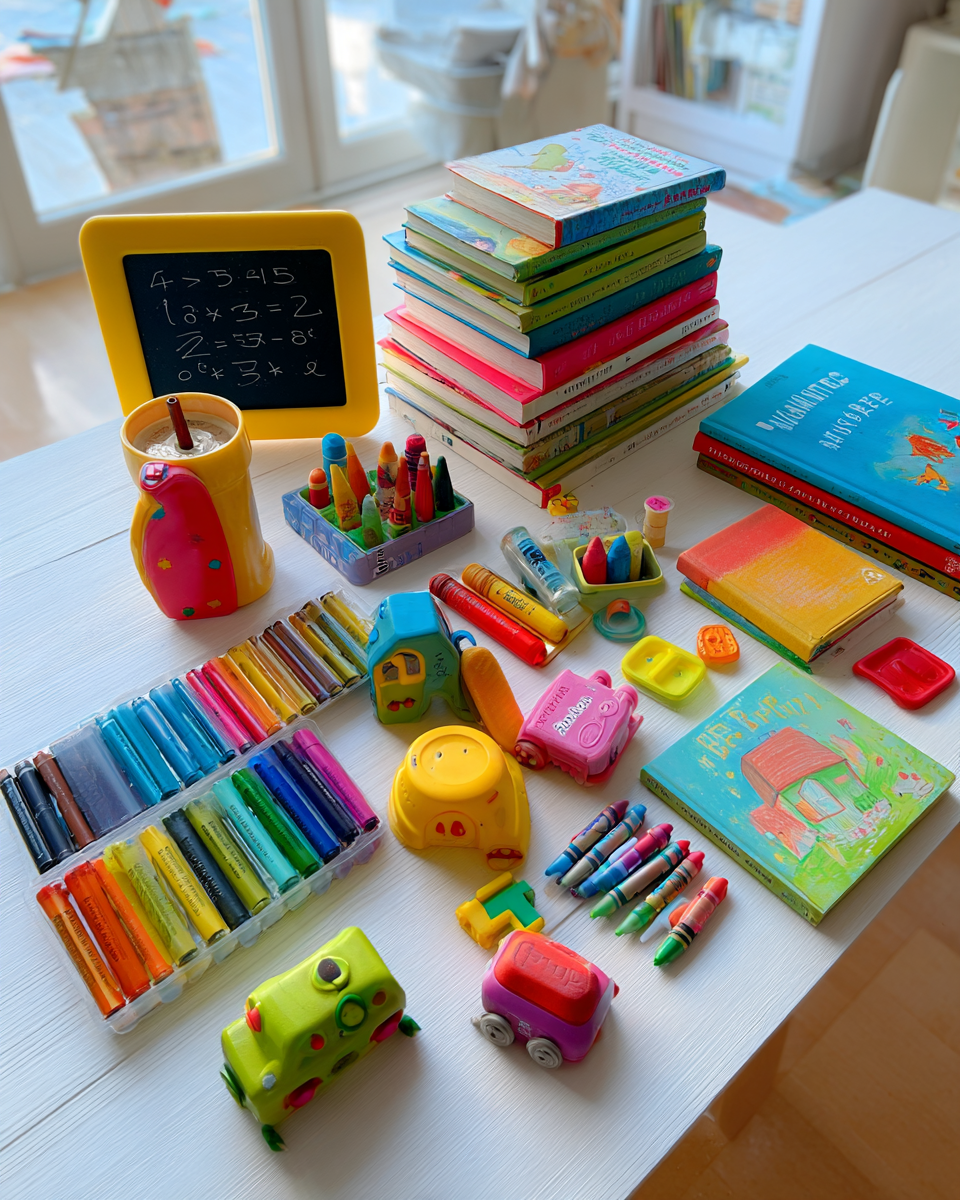
7 Simple Ways to Learning Activities for Kids (Even If You’re Busy)
💰 Income range covered: Not applicable
⚡ Fastest method to start: Crafting simple learning games
👶 Mom-friendly: Yes — all activities can be done at home
Learning activities for kids can feel overwhelming when you’re juggling work, chores, and family time. But here’s the truth: you don’t need to spend hours planning elaborate lessons to help your children learn and grow. In this guide, you’ll find 7 simple yet effective activities that engage kids and boost their skills, all while fitting into your busy schedule.
As a parent, I understand how challenging it can be to find time for educational activities, especially when you’re pulled in multiple directions. That’s why I’ve compiled this list of quick and easy learning activities that have been tested and loved by thousands of families. Let’s dive in!
Why These Activities Work for Parents
- ✅ These activities can be done in 15 minutes or less.
- ✅ They require minimal materials, often using items you already have at home.
- ✅ They cater to different learning styles, making them fun for all kids.
- ✅ They encourage creativity and critical thinking skills.
- ✅ Many activities can be adapted to fit your child’s age and interests.
7 Ways to Learning Activities for Kids
1. DIY Science Experiments — Spark Curiosity
💰 Earning potential: N/A |
⏱️ Time to first income: N/A |
💵 Startup cost: Free
You can conduct simple science experiments at home using common household items. Activities like making a volcano with baking soda and vinegar or growing crystals from sugar not only ignite curiosity but also teach fundamental scientific principles. For example, you can demonstrate chemical reactions with the volcano experiment.
To start, gather your materials and follow a simple online tutorial. Make sure to supervise your kids for safety. This method keeps them engaged and encourages questions about the world around them.
💡 Pro Tip: Use a science journal for kids to document their experiments and results, enhancing their writing skills!
2. Storytime with a Twist — Enhance Literacy Skills
💰 Earning potential: N/A |
⏱️ Time to first income: N/A |
💵 Startup cost: Free
Transform traditional storytime into an interactive experience by asking your child to predict what happens next in the story. This approach not only improves their comprehension but also fosters creativity. You can use books that your child loves or even create your own stories together.
To begin, read a page and pause to discuss what might happen next. Encourage them to describe their ideas! This activity can make reading more enjoyable and engaging.
3. Learning Through Cooking — Math and Science Combined
💰 Earning potential: N/A |
⏱️ Time to first income: N/A |
💵 Startup cost: $5–$10 for ingredients
Cooking is a fantastic way to incorporate math and science into a fun activity. Measuring ingredients teaches kids about fractions and volume, while observing cooking processes introduces them to scientific changes.
Choose a simple recipe, gather your ingredients, and involve your children in the cooking process. For example, ask them to measure out 1 cup of flour or stir the mixture. This hands-on experience solidifies their understanding of these concepts.
4. Nature Scavenger Hunt — Explore the Outdoors
💰 Earning potential: N/A |
⏱️ Time to first income: N/A |
💵 Startup cost: Free
Take a walk outside and create a scavenger hunt list of items for your kids to find, such as different leaves, rocks, or flowers. This activity encourages observation skills and physical activity while allowing them to connect with nature.
Make it a fun challenge by setting a timer or providing small prizes for completing the hunt. This not only keeps them engaged but also promotes teamwork if done with siblings or friends.
5. Arts and Crafts — Foster Creativity
💰 Earning potential: N/A |
⏱️ Time to first income: N/A |
💵 Startup cost: $10–$20 for supplies
Arts and crafts are an excellent way for kids to express themselves and develop fine motor skills. You can create seasonal crafts using items like paper, glue, and scissors. For instance, making holiday decorations can be both fun and educational.
Gather your materials, find a simple craft idea online, and let your kids’ creativity flow. You can even incorporate lessons about colors and shapes during the process.
6. Math Games with Household Items — Make Learning Fun
💰 Earning potential: N/A |
⏱️ Time to first income: N/A |
💵 Startup cost: Free
Transform everyday items into math tools! Use coins for counting, measuring cups for teaching volume, or dice for simple addition and subtraction games. This method makes math tangible and enjoyable for kids.
Set up a mini math game where they can earn points for correctly solving problems using these items. This turns a standard lesson into an engaging challenge.
7. Virtual Field Trips — Explore the World from Home
💰 Earning potential: N/A |
⏱️ Time to first income: N/A |
💵 Startup cost: Free
Take advantage of online resources offering virtual field trips to museums, zoos, and historical sites. This activity can broaden your child’s horizons without leaving home, providing them with a wealth of knowledge and inspiration.
Find an engaging virtual tour online and schedule a time to explore together. Discuss what they learned afterward to reinforce the experience.
Which Activity Should YOU Start With?
Choosing the right activity can be overwhelming, especially with so many options available.
- 🕐 If you have less than 15 minutes: Start with the DIY Science Experiments.
- ⚡ If you need an activity for today: Try Storytime with a Twist.
- 💰 If you want a hands-on learning experience: Go with Cooking.
- 👶 If your kids love being outdoors: The Nature Scavenger Hunt is best.
- 🎓 If you want to encourage creativity: Start with Arts and Crafts.
Remember, the key is to pick one activity and enjoy it with your kids!
Mistakes That Stop Most Parents From Engaging Their Kids
It’s common to feel frustrated when trying to incorporate learning activities into a busy schedule.
- ❌ Overcomplicating activities: Parents often think they need elaborate plans. Instead, focus on simple activities that use what you have at home.
- ❌ Not involving kids in the planning: This can lead to disinterest. Let them choose activities that excite them.
- ❌ Forgetting to make it fun: Learning should be enjoyable — integrate games and challenges to keep them engaged.
- ❌ Skipping the follow-up: Engaging in a discussion after the activity enhances retention and understanding.
Now that you’re aware of these common pitfalls, let’s move on to some frequently asked questions!
Frequently Asked Questions
Can learning activities really support my child’s development?
Yes! Learning activities for kids help develop essential skills such as critical thinking, creativity, and problem-solving.
How long do these activities usually take?
Most activities can be completed in 15–30 minutes, making them easy to fit into your daily routine.
Do I need special materials for these activities?
No, many activities utilize everyday household items, making them accessible and budget-friendly.
What if my child isn’t interested in learning activities?
Don’t worry! Try to incorporate their interests into the activities to make them more appealing.
What is the best activity to start with?
Storytime with a Twist is a fantastic starting point, as it combines literacy and imagination in a fun way.
Learning activities for kids can be simple, enjoyable, and highly beneficial for their growth. Choose the one that fits your schedule, be consistent, and watch your child thrive. Start with the DIY Science Experiments today — they require minimal setup and maximum fun! Which activity will you try first? Tell us in the comments!
Save this post to your “Parenting Tips” board so you can come back to it!