
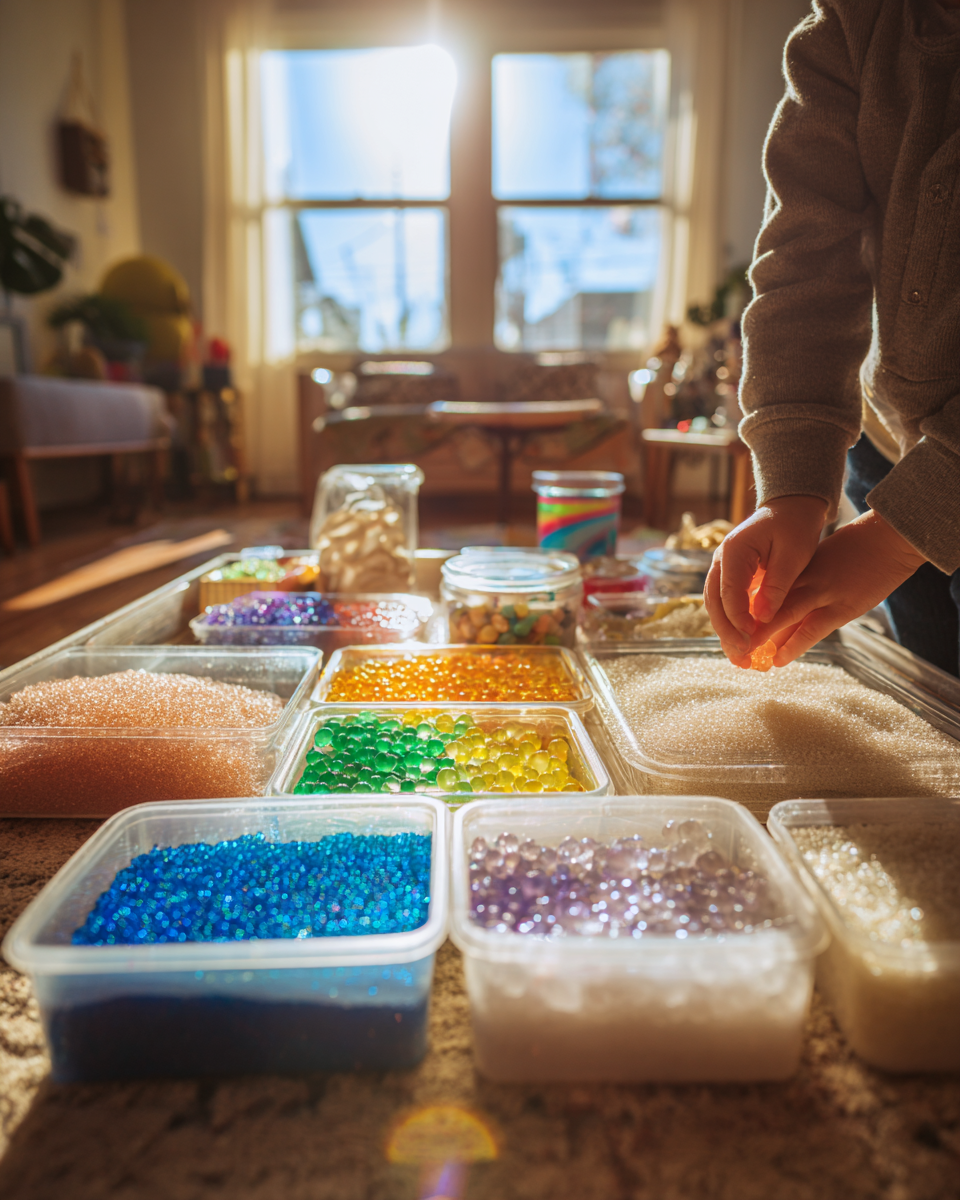
5 Proven Ways to Engage Your Child’s Senses (Even If You’re Busy)
📌 PIN TITLE: 5 Proven Ways to Engage Your Child’s Senses (Even If You’re Busy)
📌 PIN DESCRIPTION (copy-paste to Pinterest):
Sensory activities — Discover 5 engaging methods to stimulate your child’s senses. Perfect for busy parents looking for fun, educational playtime ideas. Save this pin for later! 💰
#sensoryactivities #parenting #childdevelopment #kidsactivities #playtime
Finding engaging ways to enhance your child’s sensory development can be a challenge, especially when schedules are tight. But here’s the truth: sensory activities are not only fun but also essential for your child’s growth and learning. In this article, you’ll discover 5 proven sensory activities that you can easily implement at home, even on your busiest days.
As a parent, you want to provide your child with enriching experiences that promote learning and development. Thousands of parents have successfully used these sensory activities to boost their child’s creativity and cognitive skills. Each method can be adapted to fit your family’s unique needs and schedule.
🎨 Activity range: $0–$20 per activity
⚡ Fastest activity to set up: Sensory bins
👶 Kid-friendly: Yes — all activities are safe and engaging
Why These Methods Work for Kids
- ✅ Engages multiple senses simultaneously for enhanced learning.
- ✅ Activities can be done in under 30 minutes, fitting into busy schedules.
- ✅ Many methods use low-cost or free materials you already have at home.
- ✅ Activities are easy to adapt for different age groups and developmental stages.
- ✅ Kids can explore and learn at their own pace, fostering independence.
5 Ways to Use Sensory Activities
1. Sensory Bins — Hands-On Exploration
💰 Earning potential: N/A |
⏱️ Time to first income: N/A |
💵 Startup cost: $10
Sensory bins are a fantastic way for kids to explore different textures and materials. You can fill a container with rice, beans, or sand and add in small toys or tools for digging and scooping. This method is great because it encourages imaginative play and can keep children engaged for hours.
To create a sensory bin, gather a large plastic container and fill it with your chosen material. Add in spoons, cups, or small figurines to enhance the experience. Always supervise your child to prevent any choking hazards, especially with small items.
💡 Pro Tip: Use colored rice to add visual appeal and even more sensory stimulation.
2. Water Play — Splash and Learn
💰 Earning potential: N/A |
⏱️ Time to first income: N/A |
💵 Startup cost: Free
Water play is a classic sensory activity that not only entertains but also teaches children about buoyancy and temperature. You can set up a simple water table or use a large basin filled with water. Add cups, boats, or sponges for extra fun.
To start, fill a basin with warm water and let your child explore. Add in different objects to see if they float or sink, and encourage them to describe what they feel. Just be prepared for splashes and keep towels handy!
3. Nature Walk Sensory Scavenger Hunt — Explore Outdoors
💰 Earning potential: N/A |
⏱️ Time to first income: N/A |
💵 Startup cost: Free
Take your sensory activities outdoors with a nature walk scavenger hunt. This activity allows children to explore their environment while engaging their senses of sight, touch, and smell. You can create a simple checklist of items for your child to find, like leaves, rocks, or flowers.
To start, prepare a checklist of sensory items to collect, and head to a local park or your backyard. Encourage your child to touch different textures and smell flowers. Discuss the colors and shapes they see to enhance their vocabulary and understanding of nature.
4. Sensory Art — Create with Your Hands
💰 Earning potential: N/A |
⏱️ Time to first income: N/A |
💵 Startup cost: $5–$15
Sensory art activities are a fantastic way to combine creativity with sensory exploration. Use materials like clay, finger paints, or textured paper to let your child create their masterpiece while engaging their sense of touch and sight.
Set up a space for your child to get messy with art supplies. Allow them to freely explore different textures and colors. Encourage them to describe how the materials feel and look as they create their artwork. Just remember to cover surfaces to protect against spills!
5. Aromatic Playdough — Smell and Squish
💰 Earning potential: N/A |
⏱️ Time to first income: N/A |
💵 Startup cost: $5
Creating aromatic playdough adds an olfactory element to the classic sensory activity. You can easily make playdough at home and add scents like vanilla, lemon, or lavender for an extra sensory experience.
To make your playdough, combine flour, salt, water, and cream of tartar in a pot, and cook until it forms a dough. Once cooled, knead in your favorite scents. Let your child explore the dough by squeezing, rolling, and shaping it while discussing the different smells.
Which Method Should YOU Start With?
With so many options, it can be overwhelming to choose the right sensory activity for your child.
- 🕐 If you have less than 30 minutes: Start with Sensory Bins.
- ⚡ If you need an easy setup: Try Water Play.
- 💰 If you want a longer outdoor experience: Go with Nature Walk Sensory Scavenger Hunt.
- 👶 If you have toddlers: Sensory Art is best.
- 🎓 If you want to incorporate scents: Begin with Aromatic Playdough.
Remember, the key is to pick ONE activity and get started!
Mistakes That Stop Most Parents From Engaging Their Kids
It’s common to feel overwhelmed by the options available for sensory activities.
- ❌ Overcomplicating setups: Simple activities often yield the best engagement; keep it easy.
- ❌ Skipping supervision: Always supervise to ensure safety, especially with small items.
- ❌ Not allowing exploration: Give children freedom to explore without strict guidelines to foster creativity.
- ❌ Neglecting clean-up: Set expectations for clean-up time to avoid post-activity stress.
Be mindful of these common mistakes to maximize your child’s enjoyment and learning.
Frequently Asked Questions
Can sensory activities really help my child’s development?
Yes! Sensory activities support cognitive, motor, and emotional development through hands-on exploration.
How long should each sensory activity last?
Activities can last anywhere from 15 minutes to an hour, depending on your child’s interest and engagement.
Do I need special materials for sensory activities?
No, many sensory activities can be done using household items, reducing costs.
Are sensory activities safe for toddlers?
Yes, as long as you supervise and avoid small items that could pose choking hazards.
What is the best sensory activity for young children?
Sensory Bins are often the most engaging for young children due to their versatility and ease of setup.
Engaging your child in sensory activities can greatly enhance their development and creativity. Pick one activity that fits your schedule and start exploring today! Which one will you try first? Tell us in the comments!
Save this post to your ‘Kids Activities’ board on Pinterest so you can come back to it!