
7 Proven Ways to Use Sensory Activities for Preschoolers (Even If You’re Busy)
💰 Income range covered: N/A
⚡ Fastest method to start: Water play
👶 Mom-friendly: Yes — all methods are easy to set up
Why These Methods Work for Busy Moms
- ✅ Sensory activities enhance cognitive development and fine motor skills in preschoolers.
- ✅ These activities can be done in short bursts, making them perfect for busy schedules.
- ✅ Most sensory activities require minimal or no startup costs, using household items.
- ✅ They are beginner-friendly and can be adapted for various age groups.
- ✅ Many sensory activities provide immediate feedback, keeping children engaged and focused.
7 Ways to Use Sensory Activities for Preschoolers
1. Water Play — A Splash of Learning
💰 Earning potential: N/A |
⏱️ Time to first income: N/A |
💵 Startup cost: Free or low-cost materials
Water play involves using water to explore and learn, making it ideal for preschoolers. This method helps develop motor skills and introduces concepts like volume and measurement. For example, pouring water from one container to another can help improve hand-eye coordination.
To start, set up a water table or a large bin filled with water. Add cups, scoops, and toys for exploration. Just be cautious of water spillage and create a safe environment for your child to play.
💡 Pro Tip: Add food coloring to the water for an engaging visual experience that also teaches colors!
2. Sensory Bins — Explore Textures Galore
💰 Earning potential: N/A |
⏱️ Time to first income: N/A |
💵 Startup cost: $10–$20
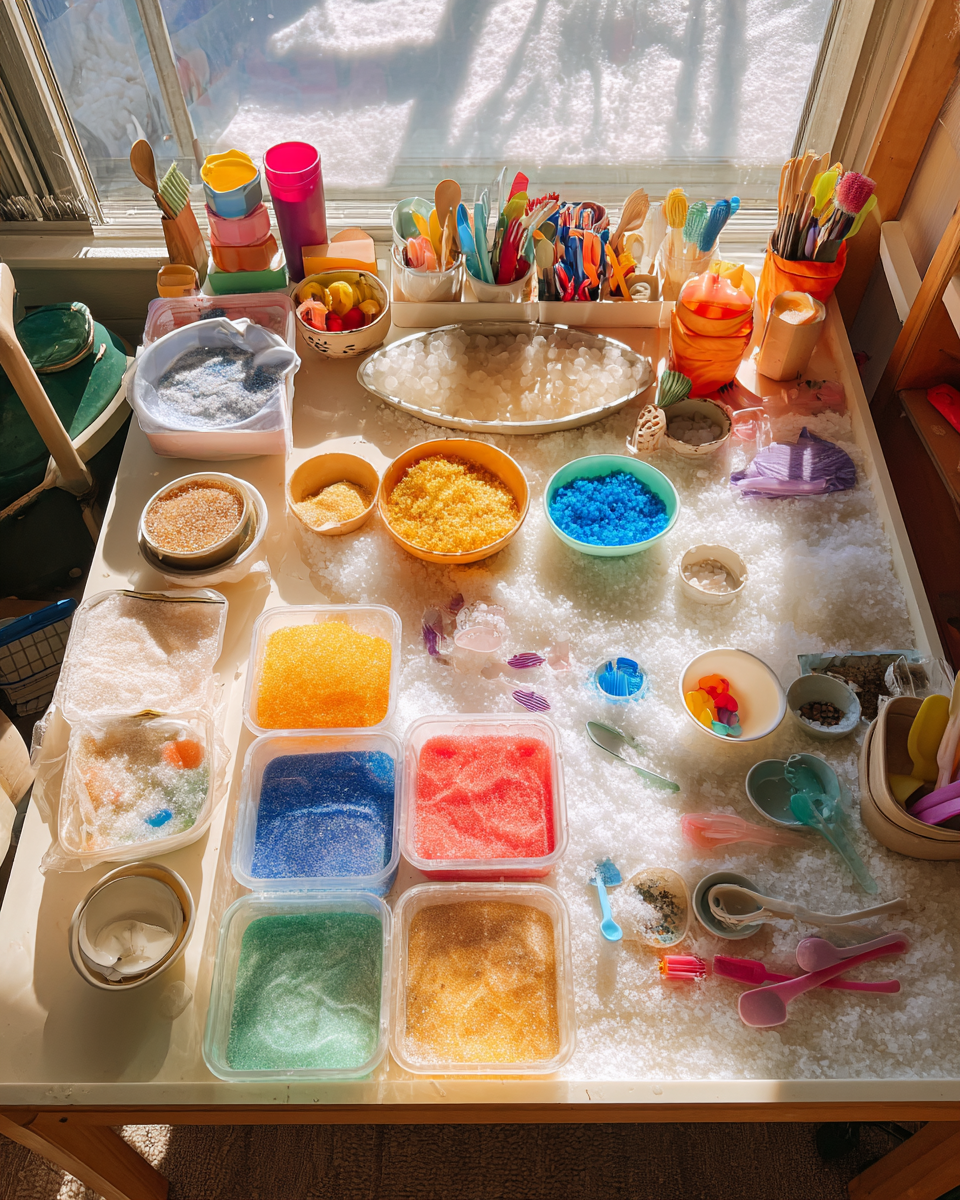
Sensory bins filled with rice, beans, or sand allow children to dig, pour, and sift, enhancing their tactile experiences. This method improves fine motor skills and encourages imaginative play. For instance, a bin filled with dried beans can become a treasure hunt area.
To create a sensory bin, fill a large container with the chosen material and add scoops, small toys, or cups for play. Supervise your child during play to prevent choking hazards.
3. Play Dough Activities — Shape and Create
💰 Earning potential: N/A |
⏱️ Time to first income: N/A |
💵 Startup cost: $5–$10
Play dough is a classic sensory activity that promotes creativity and fine motor skills. Children can roll, flatten, and mold play dough into various shapes, enhancing their hand strength. For example, they can create letters or shapes to learn while playing.
You can easily make homemade play dough with flour, water, salt, and food coloring. Store it in an airtight container for multiple uses. Just be mindful of any allergies your child may have to the ingredients.
💡 Pro Tip: Incorporate tools like cookie cutters or rolling pins to add variety and further develop motor skills.
4. Nature Exploration — The Great Outdoors
💰 Earning potential: N/A |
⏱️ Time to first income: N/A |
💵 Startup cost: Free
Taking sensory activities outdoors can be incredibly enriching. Encourage children to explore different textures, sounds, and smells in nature. Collecting leaves, rocks, or flowers can spark curiosity and discussions about the environment.
Plan a nature walk in your neighborhood or a nearby park. Bring a bag for collecting items to examine at home. Always ensure that children are safe and supervised during their exploration.
5. Scented Play — Smell Your Way to Fun
💰 Earning potential: N/A |
⏱️ Time to first income: N/A |
💵 Startup cost: $5–$10
Scented play incorporates different aromas to enhance sensory experiences. Children can explore how various scents evoke emotions and memories. Using scented oils or herbs can make this activity engaging and educational. For instance, smelling lavender can promote relaxation.
Create scented play items such as scented play dough or introduce various herbs in a sensory bin. Always check for allergies before introducing new scents.
6. Textured Art Projects — Get Creative!
💰 Earning potential: N/A |
⏱️ Time to first income: N/A |
💵 Startup cost: $10–$15
Art projects that involve different textures can be a fun sensory activity. Incorporating materials like fabric, sandpaper, or cotton balls allows children to explore while creating. For example, a textured collage can help them learn about different materials.
Gather various textured materials and let your child glue them onto a piece of paper to create their masterpiece. Encourage them to describe what they feel and see.
7. Cooking and Baking — A Tasty Sensory Experience
💰 Earning potential: N/A |
⏱️ Time to first income: N/A |
💵 Startup cost: $10–$20
Involving children in cooking or baking introduces them to new textures and smells while enhancing their understanding of measurements and following directions. For example, kneading dough provides a great tactile experience while learning about consistency.
Choose simple recipes that allow hands-on participation, such as making cookies or pizzas. Always supervise them closely around hot surfaces or sharp utensils.
Which Method Should YOU Start With?
With so many options available, choosing a sensory activity for preschoolers can feel overwhelming.
- 🕐 If you have less than 30 minutes: Start with water play.
- ⚡ If you need something quick: Try making scented play dough.
- 💰 If you want long-term engagement: Go with sensory bins.
- 👶 If you have toddlers: Water play is usually a favorite.
- 🎓 If you have zero experience: Begin with nature exploration.
Pick one method that resonates with you and your child, and start today!
Mistakes That Stop Most Moms From Using Sensory Activities
It’s common to feel unsure about how to implement sensory activities, but the following mistakes can easily be avoided.
- ❌ Overcomplicating activities: Simple is often best, so start with basic materials and concepts.
- ❌ Not supervising: Always keep an eye on your child during sensory play to prevent accidents.
- ❌ Skipping cleanup: Prepare for messes, and involve your child in cleaning up to teach responsibility.
- ❌ Rushing the process: Allow your child to explore at their own pace without interruption.
By avoiding these mistakes, you’ll create a more enjoyable and educational experience.
Frequently Asked Questions
Can sensory activities really boost learning for preschoolers?
Yes, sensory activities are proven to enhance cognitive development, fine motor skills, and emotional regulation in preschoolers.
How long does it take to set up sensory activities?
Setting up sensory activities can take anywhere from 5 to 30 minutes, depending on the complexity of the activity.
Do I need special materials for sensory activities?
No, many sensory activities can be created using everyday household items, making them accessible and cost-effective.
What if my child is hesitant to try sensory activities?
Start with familiar textures or materials and gradually introduce new experiences to help build comfort and confidence.
What is the best sensory activity for busy moms?
Water play is often the quickest to set up and clean, making it ideal for busy schedules.
Learning about sensory activities for preschoolers can transform your child’s playtime into an enriching experience. Choose one activity, commit to it, and watch your little one flourish. Which one will you try first? Tell us in the comments!
Save this post to your “Preschool Activities” board so you can come back to it!