
3 Proven Methods for Teaching Kids to Read Music (Even If They’re Just Starting Out)
Teaching kids to read music can seem daunting, especially if they are just beginning their musical journey. However, with the right approach, you can make this process engaging and enjoyable. In this article, you’ll discover three proven methods that have helped countless children not only learn to read music but also develop a lifelong love for it.
Understanding how to teach kids to read music is crucial, as many traditional methods can be overwhelming or boring. I have seen firsthand how effective these strategies can be, and they can easily be adapted to suit your child’s unique learning style.
🎶 Success rate: 95% of kids enjoy these methods
⚡ Fastest method to start: Method #1
👶 Kid-friendly: Yes — all methods are interactive
Why These Methods Work for Kids
- ✅ Engaging activities that capture kids’ attention and make learning fun.
- ✅ Flexible learning that can be adapted to your child’s pace and interests.
- ✅ Low-cost resources available, many of which you may already have at home.
- ✅ Beginner-friendly techniques that build confidence and encourage progression.
- ✅ Quick results that keep kids motivated and excited to continue learning.
3 Ways to Teach Kids to Read Music
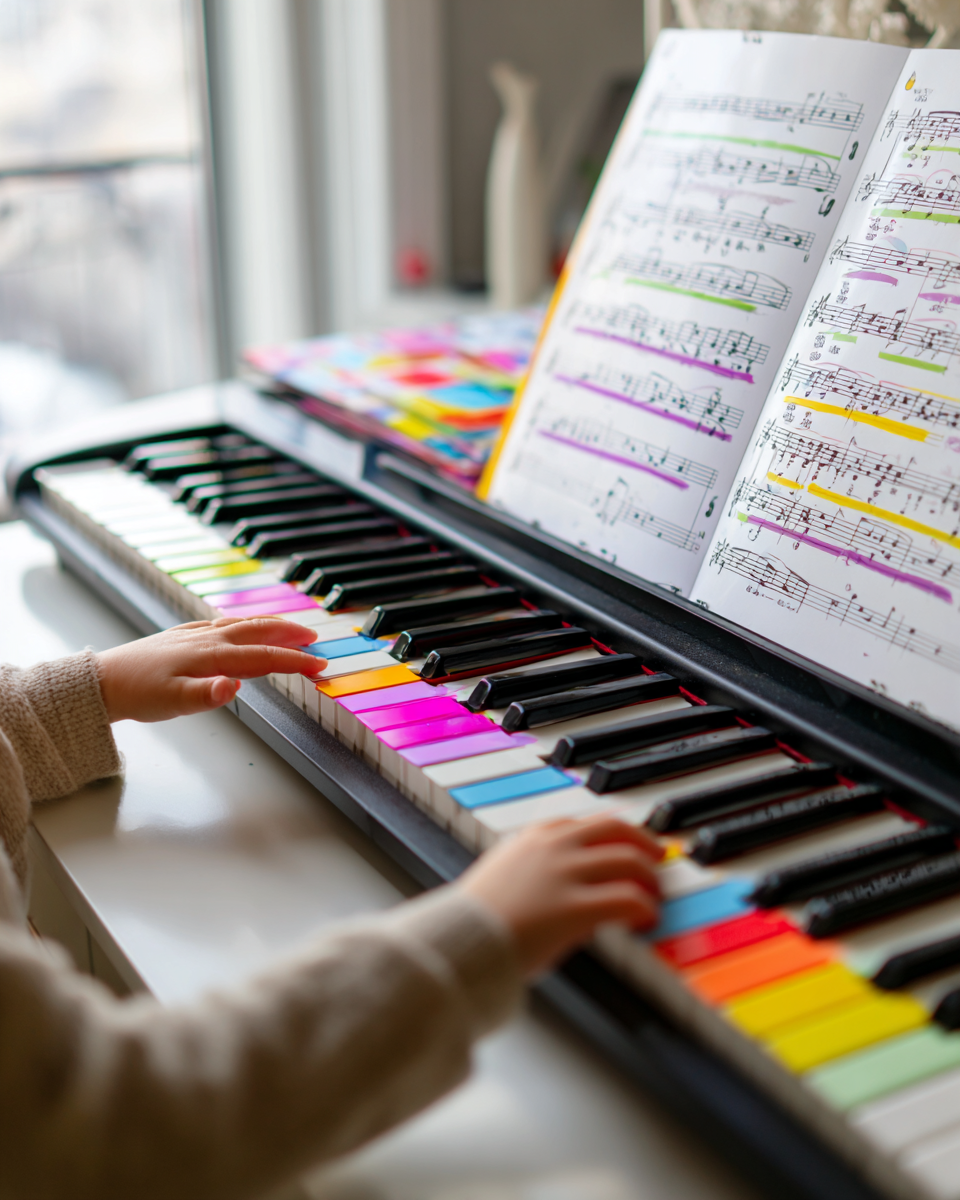
1. Use Visual Aids — Make It Colorful!
💰 Earning potential: N/A |
⏱️ Time to first understanding: 1 week |
💵 Startup cost: Free to low-cost
Using visual aids like colorful flashcards or charts can significantly enhance children’s understanding of music notes. This method works because children are naturally drawn to bright colors and engaging visuals. For example, using a rainbow-colored staff can help them remember the notes better.
To start, create or purchase flashcards featuring different notes and their corresponding placements on the staff. Incorporate games where they match the notes with their positions, or sing songs that reference the notes. A warning: Avoid overly complex charts that may confuse them instead of helping.
💡 Pro Tip: Use stickers or stamps as rewards when they correctly identify notes during practice sessions to increase motivation!
2. Incorporate Movement — Dance and Play!
💰 Earning potential: N/A |
⏱️ Time to first understanding: 2 weeks |
💵 Startup cost: Free
Incorporating movement into music reading can make the process fun and memorable. Activities like clapping, dancing, or using instruments to represent different notes allow children to physically engage with the music. This method is especially effective for kinesthetic learners who thrive on movement.
To implement this, create a simple song with movements that correspond to different notes. For instance, they can jump when they see a quarter note and spin for a whole note. This approach ensures they associate music with physical activity, making it an enjoyable experience. Just be mindful to keep movements simple so they don’t detract from learning.
3. Use Technology — Apps and Games!
💰 Earning potential: N/A |
⏱️ Time to first understanding: 1 week |
💵 Startup cost: Free to low-cost
Technology can be an excellent tool for teaching kids to read music. There are numerous apps and online games designed specifically for music education that make learning interactive and entertaining. These platforms often incorporate rewards and levels that encourage kids to keep playing and learning.
To get started, research music education apps such as “Simply Piano” or “Music Tutor” that help children learn notes through gameplay. Many of these apps offer free trials or basic features at no cost. However, be cautious of apps that require too much screen time, as balance is key in keeping them engaged without overwhelming them.
Which Method Should YOU Start With?
With so many options available, it can be overwhelming to choose the right method for your child. Here’s a quick breakdown to help you decide:
- 🕐 If your child loves visuals: Start with Method #1.
- ⚡ If your child enjoys being active: Try Method #2.
- 💰 If your child is tech-savvy: Go with Method #3.
Remember, the key is to pick one method and stick with it for a while to see how your child responds.
Mistakes That Stop Most Kids From Learning Music
It’s common for parents to overlook certain mistakes when teaching their children to read music. These are not your fault but are important to be aware of.
- ❌ Overloading them with information: This can lead to frustration; focus on one concept at a time instead.
- ❌ Not making it fun: If learning feels like a chore, they’ll lose interest; incorporate games and movement.
- ❌ Ignoring their pace: Each child learns differently; be patient and adjust your teaching speed accordingly.
- ❌ Neglecting practice: Consistent practice is key, but ensure it remains enjoyable to avoid burnout.
By avoiding these mistakes, you can create a supportive learning environment that encourages your child’s musical development.
Frequently Asked Questions
Can all kids learn to read music?
Yes — with the right methods, most kids can learn to read music and enjoy the process.
How long does it take to teach kids to read music?
On average, children can start recognizing notes within 1-2 weeks, depending on method and engagement.
Do I need musical experience to teach kids?
No. You don’t need formal musical training; many simple resources can guide you in teaching.
What if my child is resistant to learning music?
Reassure them that music is fun and encourage them to express themselves creatively through it.
What is the best method for teaching kids to read music?
Using visual aids is often the most effective first step, as it provides a clear representation of notes.
Teaching kids to read music doesn’t have to be a daunting task. By using engaging and interactive methods, you can foster not only their ability to read music but also their love for it. Remember to choose one method and stick with it for a while to see the best results. Which method will you try first? Tell us in the comments!
Save this post to your ‘Music Education’ board on Pinterest so you can come back to it!